Goat eID study finds tag placement is key to retention
To better understand the key factors that influence NLIS-approved eID device retention across Australian goat businesses, the Department of Agriculture, Fisheries and Forestry (DAFF) funded a study through the Livestock and Animal Traceability Development, Implementation and Improvement Grant.
The project, supported by Meat & Livestock Australia (MLA) and conducted by AbacusBio, aimed to understand the factors driving tag retention and quantify tag losses on commercial goat properties.
The project concluded in April 2026 with key findings presented in MLA’s “Goat eID Device Retention” industry webinar.
Project overview
From 1 January 2027, all sheep and managed goats must be fitted with an accredited NLIS eID device before leaving a property, regardless of age.
The project findings provided producers with assurance and insights into tag retention in anticipation of this nationwide movement requirement.
The project monitored eID device retention across 13 case study properties and 19 mobs, covering close to 9,000 goats across Queensland, New South Wales and South Australia.
Goat producers interested in participating in the project registered their interest through a Request for Callback process initiated by AbacusBio.
Each operation was visited twice, once at tagging and again several months later, allowing researchers to directly link tagging practices to retention outcomes.
The study recorded tag placement, device type, farm and animal factors, handling systems and reasons for any tag loss on an individual animal basis.
Key outcomes
Retention of eID devices was high with only 1.8% of devices recorded as missing, broken or non‑functional at the second visit. Button tags achieved a 100% retention rate.
On-farm case studies across multiple goat production systems provided a clear picture of the prevalence of eID tag loss, the reasons losses occur and the steps producers can take to minimise risk.
Loss rates did not differ significantly between goat breeds, age, sex or property factors including fencing type, environment or production system.
Key driver of device loss
Device placement was the main driver of device loss, determined using a nine‑zone grid over the goat ear.
Central ear placement (zones 2 and 5) consistently had the lowest risk of loss, while devices placed closer to ear edges or tips had significantly higher odds of loss.
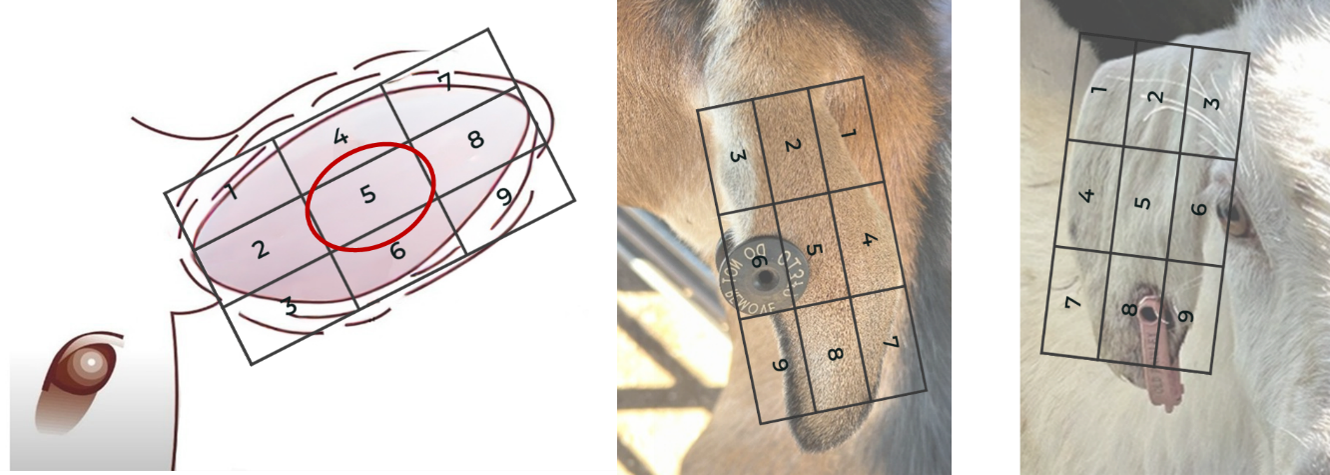
Image 1: Goat ear regions
Wrap-around devices, irrespective of brand and type had no significant effect on retention. This confirmed that optimal tag placement was more important than the type of device chosen.
Where losses did occur, they were typically due to being ripped out, often linked to poor placement.
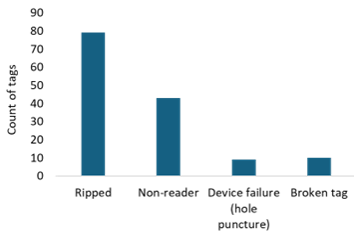
Figure 1: Tag loss variety
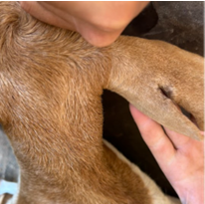
Image 2: Torn tag
The results demonstrated that following best-practice tagging led to positive eID retention outcomes.
Practical outcome for device retention
The overall advice from the project outcome was to follow best practice guidance when tagging, specifically:
- Aim for the centre of the ear, between the main cartilage ribs
- Match the correct applicator to the tag type
- Use good restraint and handling facilities to allow accurate placement
- Use good hygiene including dipping tags in a disinfectant solution
A comprehensive resource suite is currently being finalised. For more information, refer to the published industry webinar recording.
Producers are advised to follow all tag manufacturer instructions.
For any retention or hardware issues, please contact your tag manufacturer or rural retailer directly.
To report ongoing tag issues, please call Integrity Systems on 1800 683 111 or submit an NLIS Device Complaint Form.