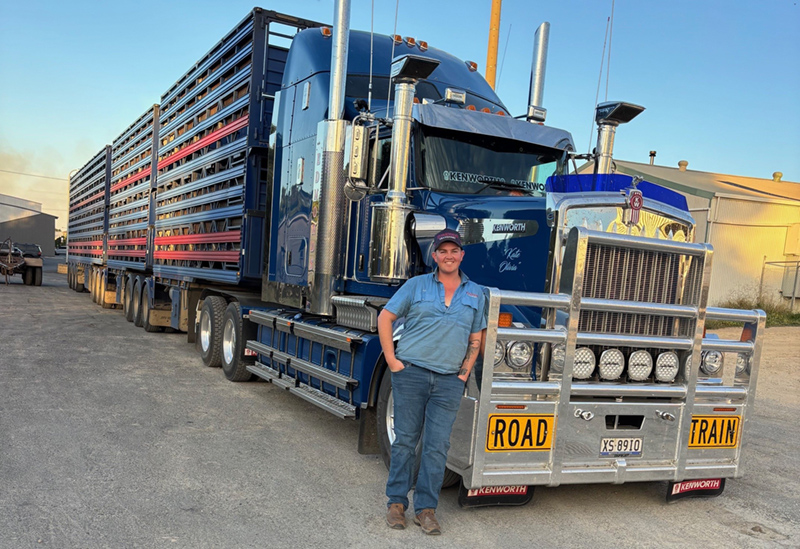
 Kyle Nicholas in front of his Kenworth road train.
Going the distance: Why hay and penning densities are crucial in transport
Key points
- Ensure livestock are well prepared with quality feed, appropriate time off water, and accurate weights to support safe, stress-free long-distance transport.
- Monitor animals closely during transit, checking every 2–3 hours and spelling them when needed to prevent fatigue, injury or losses.
- Set correct loading densities and communicate accurate numbers to transporters to protect animal welfare, reduce risks, and improve transport outcomes.
Kyle Nicholas, 2025 Australian Livestock and Rural Transporters Association Rising Star Award Recipient, has seen the effects of good and poor preparation for transport.
With improved seasonal conditions in parts of SA, Kyle is busy carting cattle from northern and central NSW down to southern restockers and processors.
It is a complete turnaround, Kyle said, when only last year transporters were carting cattle from south to north as SA and Victorian producers offloaded.
“It keeps us in a job,” the 29-year-old said from his truck carting weaners across the South Australian Mallee.
“The good spring turned things around down here. It was still very patchy, but there was enough rain to keep a lot of people happy,” he said.
Carting big distances
Driving for Edmonds Transport based in SA, Kyle has moved sheep and cattle throughout most states of Australia in the four years he has worked for the company.
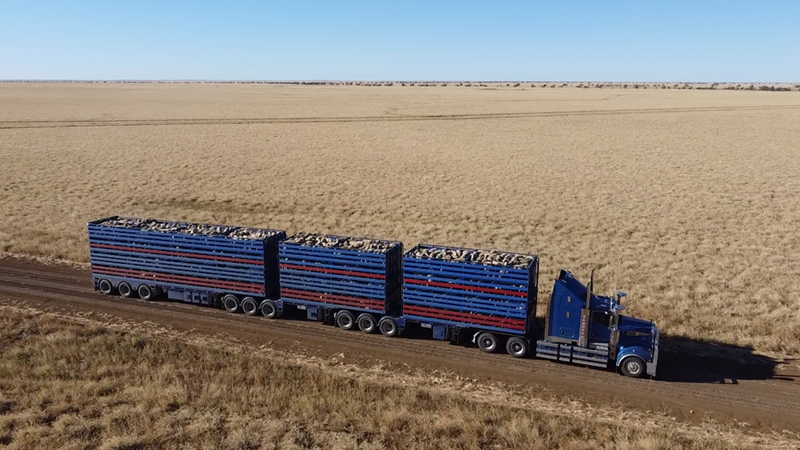
Carting cattle from a spelling yard in Queensland to SA recently Kyle said the cattle were loaded ahead in the morning at Augathella and were at Naracoorte by mid-afternoon the next day after the 1,600km trip.
Preparation for long-distance livestock transport is critical, Kyle said, preferring cattle to be on plenty of good quality hay ahead of a journey of that size.
“It just gives them the energy they need for the trip,” he said.
Time off water was dependent on species and the weather conditions, Kyle said with more time off water recommended for sheep in cold weather and less for cattle and in hot weather.
Careful checking and spelling as needed
Knowing when travelling livestock need a spell comes down to careful observation and regular checking, Kyle said.
“The big thing is to check them every two to three hours,” he said.
“If you notice the same cattle are sitting a long time you need to get them up and stand them up so they don’t get numb legs.
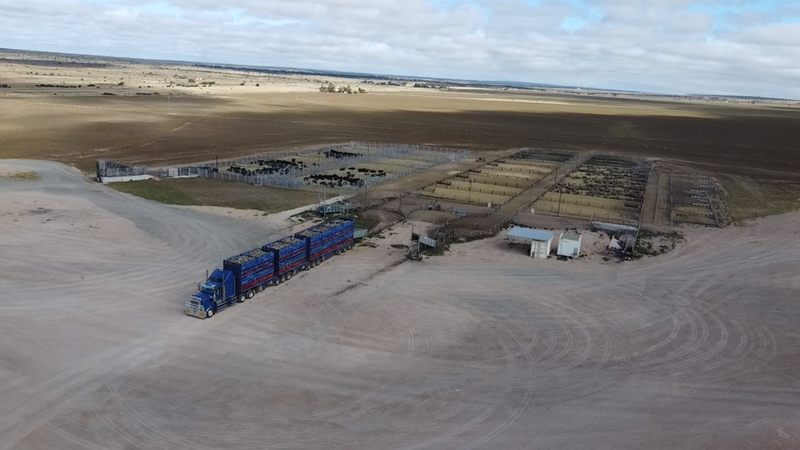
“If we need to make a call that they need a spell, there is a set of spelling yards at Deniliquin.
“We can unload them, get them on some more hay and water, let them rest and sit down overnight.”
Keeping an eye on the way the animals are standing is also a good indication of how they are travelling, Kyle said.
“You can tell if they have sore feet from the way they are standing and how much they start to sit.”
West to East
Transporting sheep across the Nullabor Kyle has seen firsthand the impacts of both good and poor preparation.
“The stock agents over there are generally pretty good. They drum it into their farmers about getting them off water 24 hours in advance and getting them onto hay to give them the energy to travel,” he said.
“I’ve had sheep that were emptied out too much when WA was really dry.
“About four hours into the journey, I was checking on them and having to stand them up. The crates were dead dry.
“They’d been off feed and water too long and just didn’t have the energy to travel.”
Kyle took action to spell the sheep at the Nundroo spelling yards in SA. The sheep were able to get off the truck for a day, have access to hay and water and made the rest of the trip without incident.
Getting penning densities right
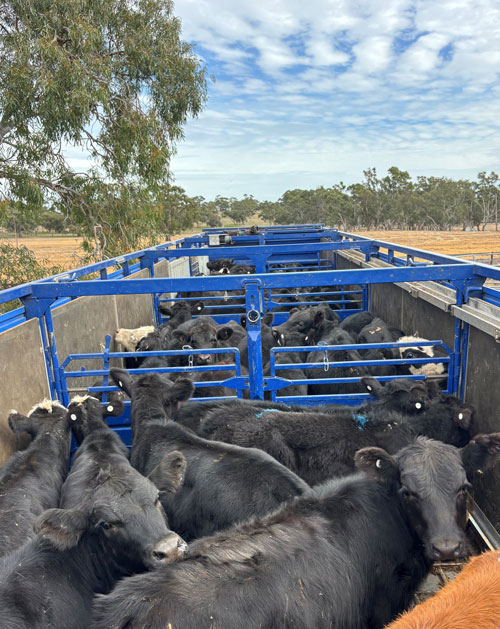
Penning densities is also very important for transport success, Kyle said, reinforcing the need for accurate livestock weights and numbers to be provided when booking transporters.
“Quite often you can rock up to a farm and they’ll say 'I’ve got 650 lambs', and this comes with experience, you think hang-on, they’re 60 kilo lambs there’s no way we’re getting 650 on.
“So we will say look if I tried to take 650 there will be problems for the sheep, problems for me as the driver and you run the risk of losing sheep and losing money.
“Or I can take 620 and I know they’re going to travel comfortably; that’s the legal weight anyway and I know your lambs are going to get there in one piece.
“A lot of agents are pretty good and know what they can get onto a truck but sometimes you still have to have the argument.”
Incorrect penning densities can create fatigue issues for drivers as well as animal welfare issues, Kyle said.
“If we load lambs for long haul and we’ve got too many on the truck we might fight black and blue to keep them standing, you’re stopping every two hours, climbing across the crates, trying to stand lambs up, you’re trying to stand lambs up you can’t even get to, there’s nothing you can do if you can’t reach them.”
A rising star
Despite some long days and challenging moments Kyle absolutely loves what he does and his passion, dedication and work ethic earned him the Australian Livestock and Rural Transporter’s Rising Star award in 2025.
“That was very unexpected,” Kyle said, “I’m just an ordinary bloke driving a truck doing what I love.”
A dairy farmers’ son, Kyle’s agricultural background steered him towards livestock transport, he said.
“I did a stint of general freight for 12 months, they were a great family, but it didn’t have that ag aspect that drives me to do what I love to do.”
The amount of Australia he has seen through the windscreen of a truck, the sunrises and sunsets and mateship in livestock transport are all highlights of the profession for Kyle.
“I’ve got three good working dogs. It’s pretty good taking your three little best makes everywhere you go. They’ve seen as much of the country as I have.
“I’m at a point now where I can start teaching some of the younger people coming through.
“I really enjoy teaching them. I didn’t get to where I am without mentors and people helping me. It’s good to do that for other people.”