Planning the journey
Top tips:
- Use professional TruckSafe operators where possible.
- Plan and prepare – allow time to book transporter, check and prepare yards and livestock, check access and prepare documentation.
- Know what documentation and information you need to have ready – National Vendor Declarations, Animal Health declarations etc.
- Consider weather forecasts - reschedule if extreme heat or cold is forecast.
Communication and preparation
Ensure you convey the date and time of loading, property address, yard location, contact phone numbers, correct weights, numbers and types of livestock to make sure the right truck is sent with enough space to load the number of livestock you wish to consign.
It is important to make sure you plan the journey in consultation with the transport operator. View our guidelines for how to plan the journey for:
Weather considerations
Check weather forecasts for the days prior to livestock transport and plan accordingly:
Managing livestock transport in hot weather
- Aim to avoid transporting animals in extreme heat.
- If transport is necessary, plan the journey to minimise the effects of hot weather.
- Transport animals during the cooler hours of the day where possible.
- Reduce stocking densities, where possible, to ensure good air flow between animals.
- Provide access to cool, clean drinking water with enough space for animals to access.
- Provide shade in yards.
- Minimise the duration of stops on vehicles to avoid heat build-up while the vehicle is stationary.
Managing livestock transport in cold weather
- Discuss feed and water management with your transporter if cold weather is forecast.
- Older ewes, young stock and goats are particularly susceptible to the cold – manage carefully in consultation with your transporter.
- Avoid transporting recently shorn sheep during cold, wet and windy conditions.
- Ensure livestock have access to good quality, dry hay prior to transport.
- Check animals regularly during transport.
Choosing professional operators
Professional transporters look after your livestock and get them to their destination in the best possible condition.
- Consider using Truck Safe transporters https://trucksafe.com.au/
Documentation
It is important to keep detailed records of livestock transport, including:
- Copies of the LPA NVD
- Name of transport operator and vehicle registration number
- Date and time of yarding and truck departure
- Records of feedback or complaints from processors or purchasers and any actions taken.
(Content courtesy of Preparation for dispatch of livestock)
Electronic NVDs
A range of new features are now available in the eNVD system (web and app) which make it easier for transporters to receive a digital version of the eNVD rather than a printed copy.
- Help with eNVD | Integrity Systems
- Read how the Enhanced eNVD system is now more accessible in this article
eNVD videos for transporters
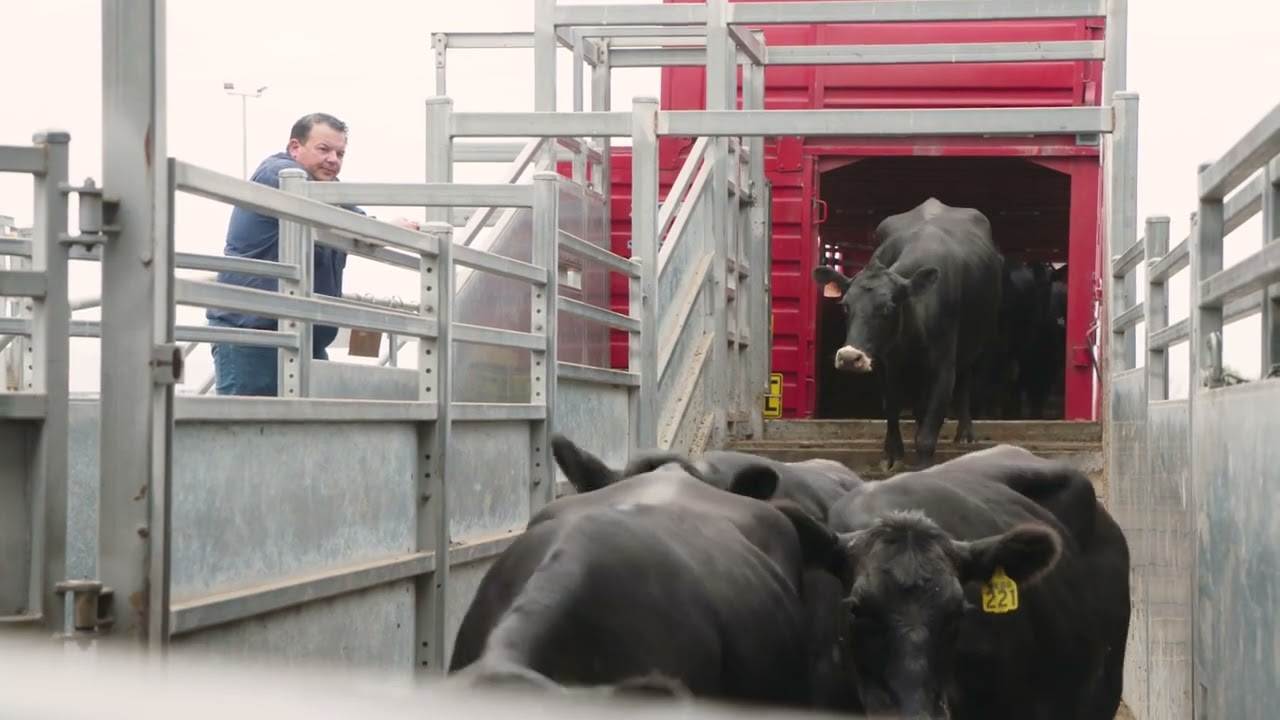
Check out these new eNVD Transporter series videos to help transporters receive digital consignments instead of paper forms
Regulations
Make sure you are familiar with the regulations and documentation needed for your livestock transport, including the start and end points of the journey
- Animal Welfare Standards – Land Transport of Livestock
- References Australian guidelines
Livestock transport to and from Bass Strait
The Animal Welfare Guidelines – Transport of Livestock Across Bass Strait were developed in Tasmania by the Bass Strait Livestock Shipping Committee, comprising shipping, transport and livestock industry representatives from Tasmania, Victoria, and State and Commonwealth regulatory agencies.
The guidelines reflect the information provided in this hub, including:
- properly preparing the livestock,
- planning the journey in consultation with the transporter and
- loading requirements.
Additional considerations are given to:
- the shipping component of the journey and
- having a contingency plan in place if the shipment cannot be loaded.